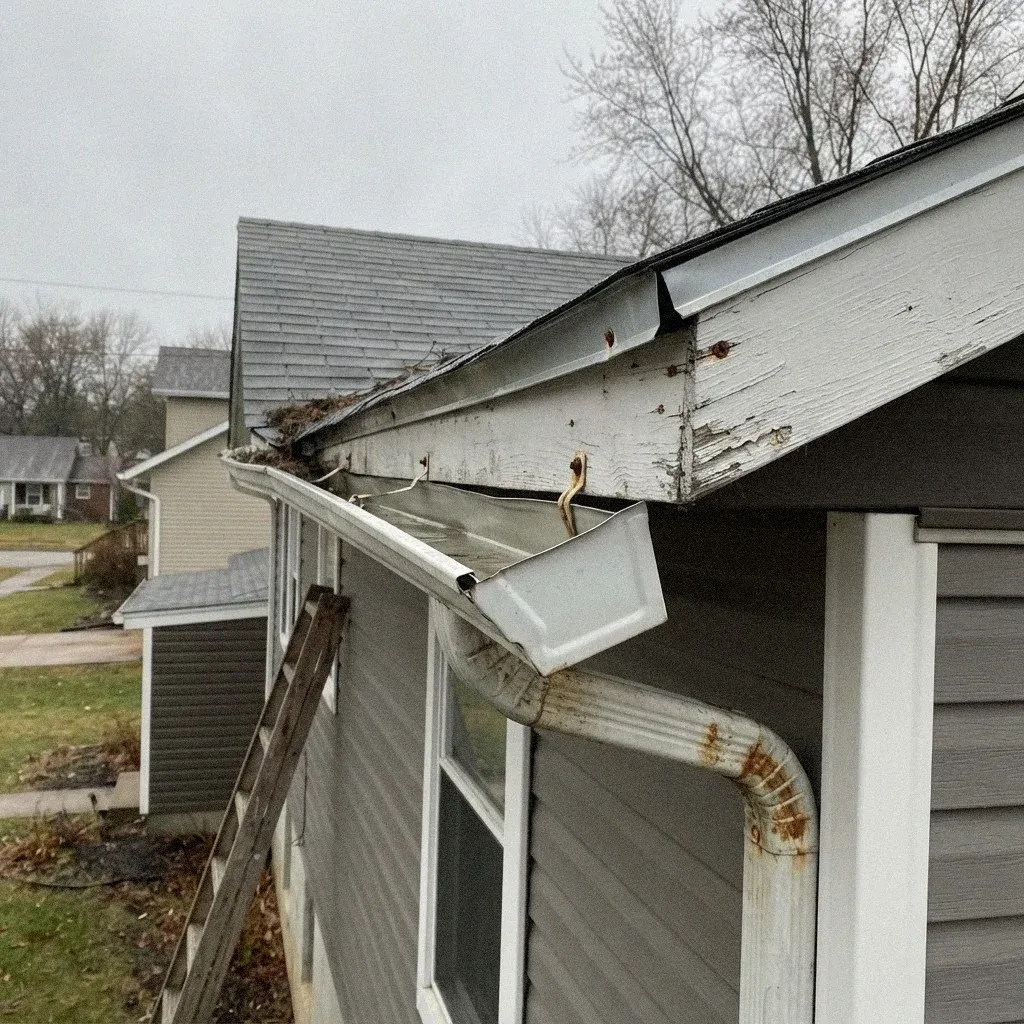
Leaks After Rain
A roof can keep dripping after rain ends as stored moisture drains or an opening continues to admit water. Learn what timing can reveal and when inspection is useful.
Read article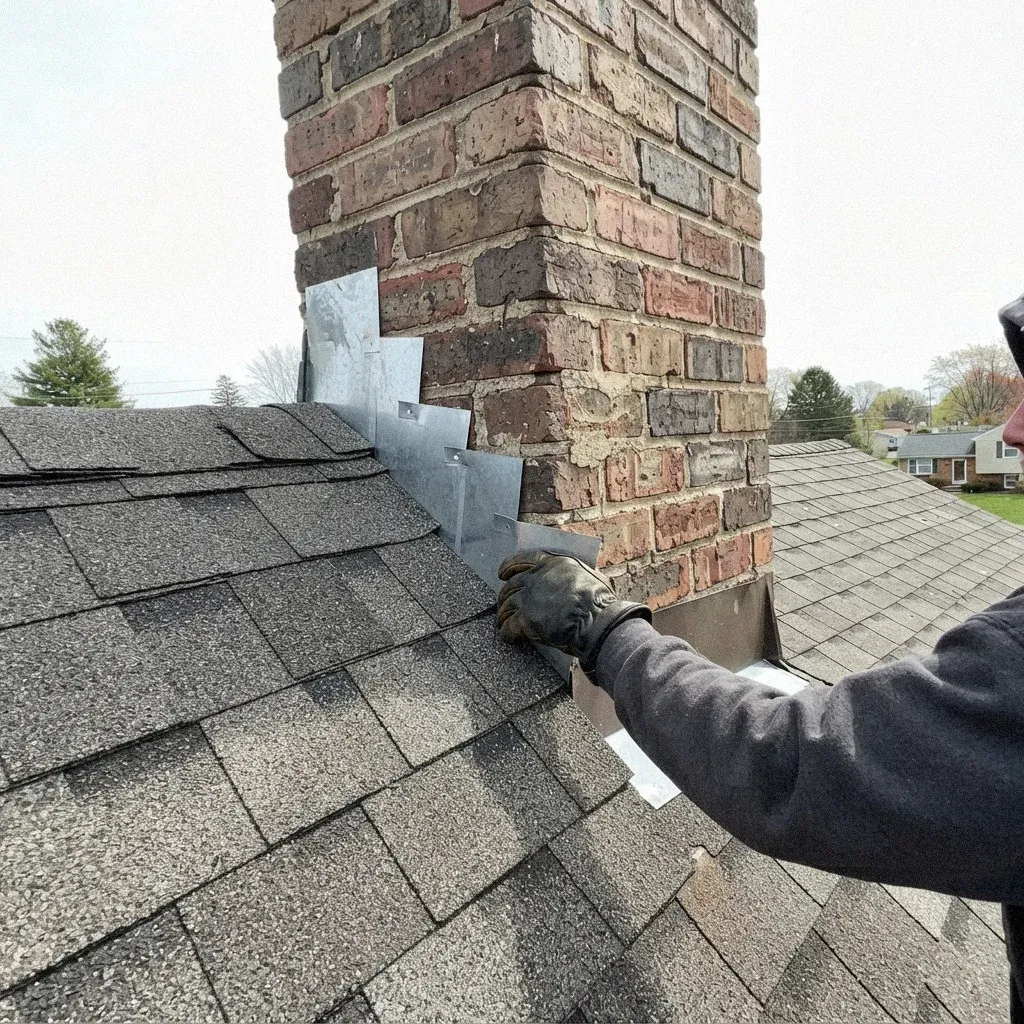
Stay off steep roofing; have a roofer assess the chimney joint and flashing.
The flashing forms the metal transition between the roof covering and the chimney masonry. In Trenton, rain and winter weather can put repeated stress on the narrow junction where brickwork meets roofing. A damp patch near a chimney, a shifted-looking metal edge, or open mortar at the roofline gives a roofer useful context, but each home needs its own inspection. Note which side of the chimney is involved and where moisture appears, then ask a local pro to assess that connection.
The roof's slope can affect how water meets the chimney flashing. The roofer then looks at the chimney corners, attachment points, and nearby roof materials to decide whether sound metal can be reset or damaged sections need renewal. In Trenton, roof access, weather on the work date, and any loose mortar can change the work involved and its duration. Ask for the findings and proposed scope in writing.
Poor drainage can leave water lingering along roof edges, making runoff paths another detail to review when planning Chimney Flashing Repair.
When the building is someone’s residence, residential roof leak repair service explains the homeowner service; rental operators and commercial property owners can review commercial roof leak repair.
Inside, note whether the damp area is on the chimney-facing side of a ceiling, near an upper wall, or around the chimney in the attic. Water may follow framing before becoming visible, so the location helps describe the problem without proving where it entered. Peeling paint or softened trim near the damp area may also be worth noting. Share those details with the roofer; avoid opening ceilings or entering an unsafe attic to trace the moisture.
From a safe place on the ground, look for a flashing edge that appears raised, bent, or separated from the chimney, or shingles that no longer lie flat alongside it. These details can suggest movement at the junction, though a view from below cannot confirm the condition of hidden overlaps. A homeowner near Kuser Farm Park can note what is visible and report it to the roofer, without using a ladder or walking onto the roof.
Look for mortar that appears missing or crumbled where metal meets the chimney. Counterflashing relies on a stable masonry attachment; if the joint has deteriorated, simply fastening metal back in place may not hold. A roofer can check whether the concern is limited to the flashing edge or includes the mortar around it. The owner should report loose-looking brick or an open joint, since that affects how the chimney flashing repair is planned.
The roofer records which chimney side and interior area show moisture, using the owner’s observations to guide a focused junction inspection.
From safe roof access, the roofer examines corner overlaps, step flashing, counterflashing, and the mortar that anchors its upper edge.
The roofer checks whether resetting sound metal is suitable or whether damaged flashing or unstable masonry calls for added work.
After completing the agreed repair, the roofer reviews the chimney junction with the owner and documents the work with notes or photos.
At a chimney, the roof covering and masonry meet at corners where water can work beneath an imperfect overlap. Step flashing carries each shingle course past the chimney, while counterflashing shields the upper metal edge. If either side loosens, moisture can reach the roof structure and appear indoors after traveling away from the opening. In Trenton, assessing both the metal and its masonry attachment helps identify whether a focused chimney flashing repair addresses the weak point.
In Trenton, a stain beside a chimney or at a room corner can mark where water emerged, not where it crossed the roof. Downtown, East Trenton, Chambersburg, and South Trenton are distinct neighborhoods, but their names alone say nothing about an individual roof or chimney. A roofer should compare the indoor mark with the roof-to-masonry joint, checking whether step flashing rises with the shingles and whether counterflashing still covers its upper edge. At chimney corners, gaps or reversed overlaps can let runoff behind the metal. Request photos that show those transitions and a clear note of what will be reset, sealed, or renewed.
Trenton climate records provide local precipitation context, but they do not establish the condition of an individual roof or explain a particular leak. Older housing is documented in parts of the city, so the roofer should assess the actual masonry and roof connection rather than assume its age or materials. Service-area references such as Ewing Township, The College of New Jersey, and Armstrong Memorial Park help distinguish nearby locations; they do not determine Trenton permit rules or roof conditions.
In Trenton, Chimney Flashing Repair ranges are provisional because leak location and repair scope affect cost; ask the contractor to review inspection evidence, visit charges, and the written plan.
| Material state | Labor needs | Work limits |
|---|---|---|
| Isolated fix | Renew one defective roof fitting; neighboring intact coverage stays out | an estimated $350–$900 |
| Paired materials | Trace and correct one roof opening; separate water paths need separate work | an estimated $400–$1,170 |
| Several roof areas | Correct a small fault before it reaches other roofing materials | an estimated $350–$900 |
| Extensive rebuild | Replace a deteriorated roof element without reworking intact areas | an estimated $840–$3,600 |
A repair limited to one area may be priced differently from a plan that also addresses nearby components. Some estimates may offer a longer-lasting part as an option. Check which approach the estimate describes, and turn to the full pricing guide for more detail on cost factors.
A roofer exposes the affected edge carefully, then checks whether the step flashing still overlaps the roof courses and whether counterflashing remains attached to the chimney. Sound sections may be reset; damaged or poorly fitted pieces may need renewal. The roofer should also inspect the corner transitions and nearby shingles, since a repair that leaves a broken overlap can let water enter again.
Step flashing is installed along the chimney in pieces that overlap individual shingle courses, guiding water down the roof. Counterflashing sits against the masonry and covers the upper edge of those pieces. Both layers need to work together at the corners. If the counterflashing has pulled away or the step pieces no longer overlap correctly, the roofer can identify which connection needs repair.
The roofer checks whether the mortar at the counterflashing attachment is firm enough to hold the metal. Cracked or loose mortar may need attention before the flashing can be secured reliably. The repair plan should state whether masonry work is included or whether another trade must address it. Ask how the proposed attachment will meet the chimney surface once the work is complete.
The cost depends on how much flashing must be accessed or renewed, the chimney’s height, roof access, and whether the masonry needs repair. A limited loose edge takes a different scope from damaged metal around several corners. Ask the roofer to describe which sections will be disturbed, what materials are included, and what findings could change the estimate.
Timing depends on safe access, the length and condition of the chimney junction, and whether the masonry attachment also needs work. Rain, snow, or slick roofing can delay access until conditions are suitable. The roofer can give a schedule after inspecting the property and should explain any weather-related change before work proceeds.
For a Trenton chimney, a roofer can lift adjacent shingles enough to examine the step flashing, which should rise with each roofing course, then check the counterflashing that laps over it at the masonry. If metal has pulled loose or is damaged, the affected section may be reset or replaced; a separated masonry edge may need fresh bedding. At chimney corners, overlapping pieces must send water down and away from the joint. Ask the roofer to show which connection was repaired.
Treat $90–$350 as an estimated range, since roof material and the location and extent of damage guide the proposed work. The pros we connect you with confirm the cost after inspection.
See how roof materials and their joints shape an inspection and possible repair.
A roof can keep dripping after rain ends as stored moisture drains or an opening continues to admit water. Learn what timing can reveal and when inspection is useful.
Read article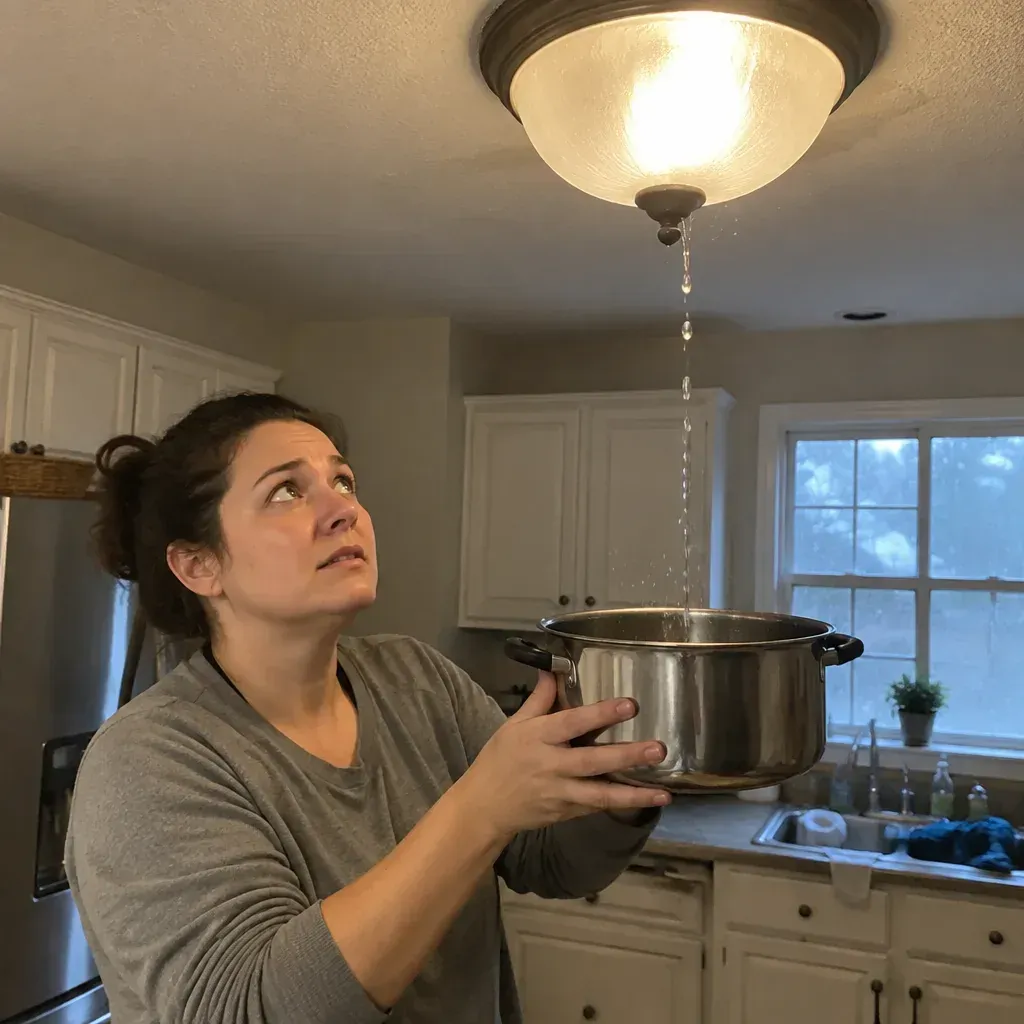
Why can a roof stay dry in ordinary showers but leak in a cloudburst? See how storm timing, drainage details, and repair scope fit together in Trenton.
Read article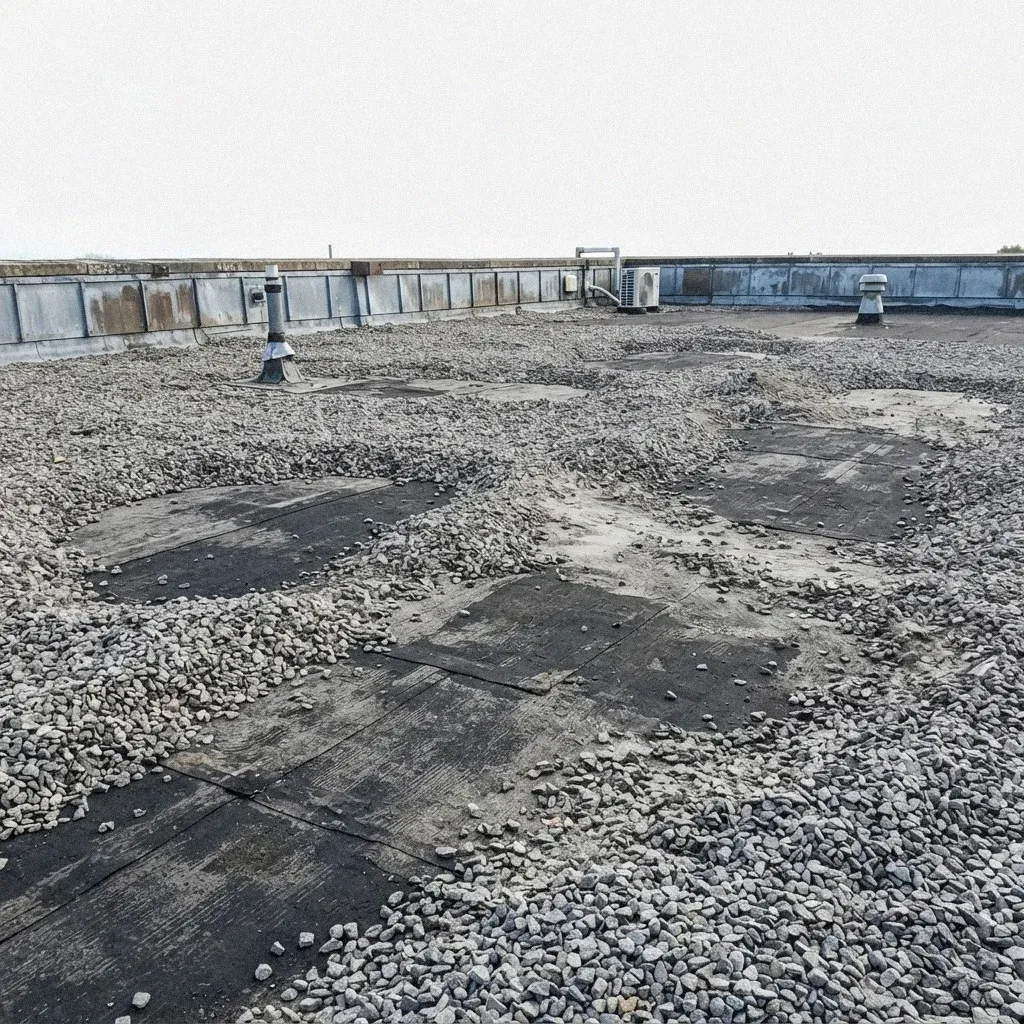
Why can sideways rain trigger a roof leak in Trenton? A roof may shed steady rain yet let water in when gusts press it against vulnerable seams.
Read articleFor a home near the New Jersey State House, give the pros we connect you with the street address and ask them to verify coverage for that property. Describe the indoor sign and its location; an inspection may need to trace evidence beyond the visible stain. Before arranging a visit, discuss its charge and how scheduling works. Once the inspection is complete, request a written scope that links the findings to the proposed repair, separates additional work, and states any warranty terms that apply.
Call (609) 934-1587