Wind-Driven Roof Leak Repair Clues
A wind driven roof leak is water entering when gusts carry rain onto roof surfaces from a direction ordinary runoff does not follow. The added pressure can push droplets beneath a lifted edge or toward a seam, so a weak point may admit water during sideways rain while staying quiet in calmer weather. In Trenton, the storm’s approach and the roof’s exposure matter together; the pattern points to a wind-related pathway, but inspection is needed to locate it. A mark indoors does not identify the opening.
An indoor mark is a symptom, not a map of the entry. Gusts can drive rain beneath an edge or into a seam that sheds ordinary runoff. The owner can note the room, whether the mark is at a ceiling seam or wall edge, and whether it spread during the gusts or afterward. Pairing that observation with the storm time helps the pros we connect you with compare the indoor clue with roof evidence.
Roof Leak Repair Inspection Points
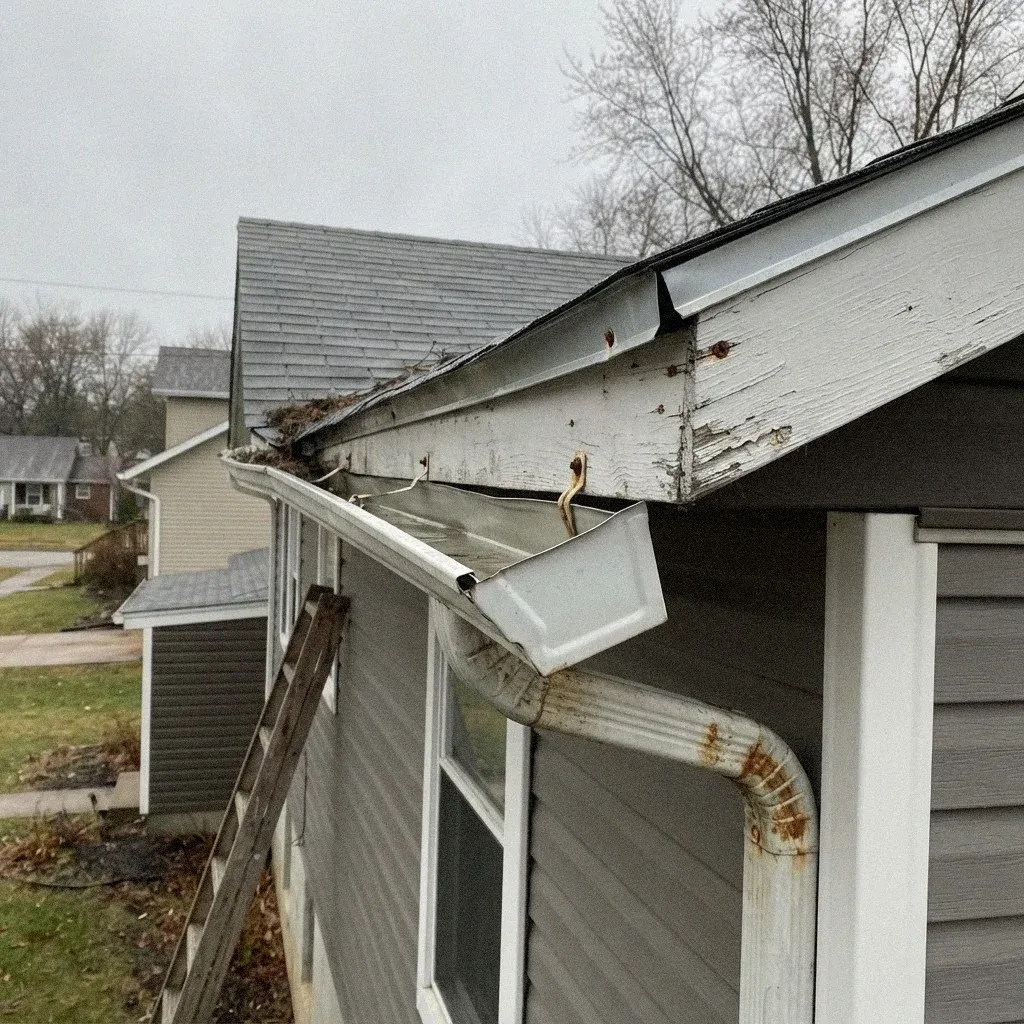
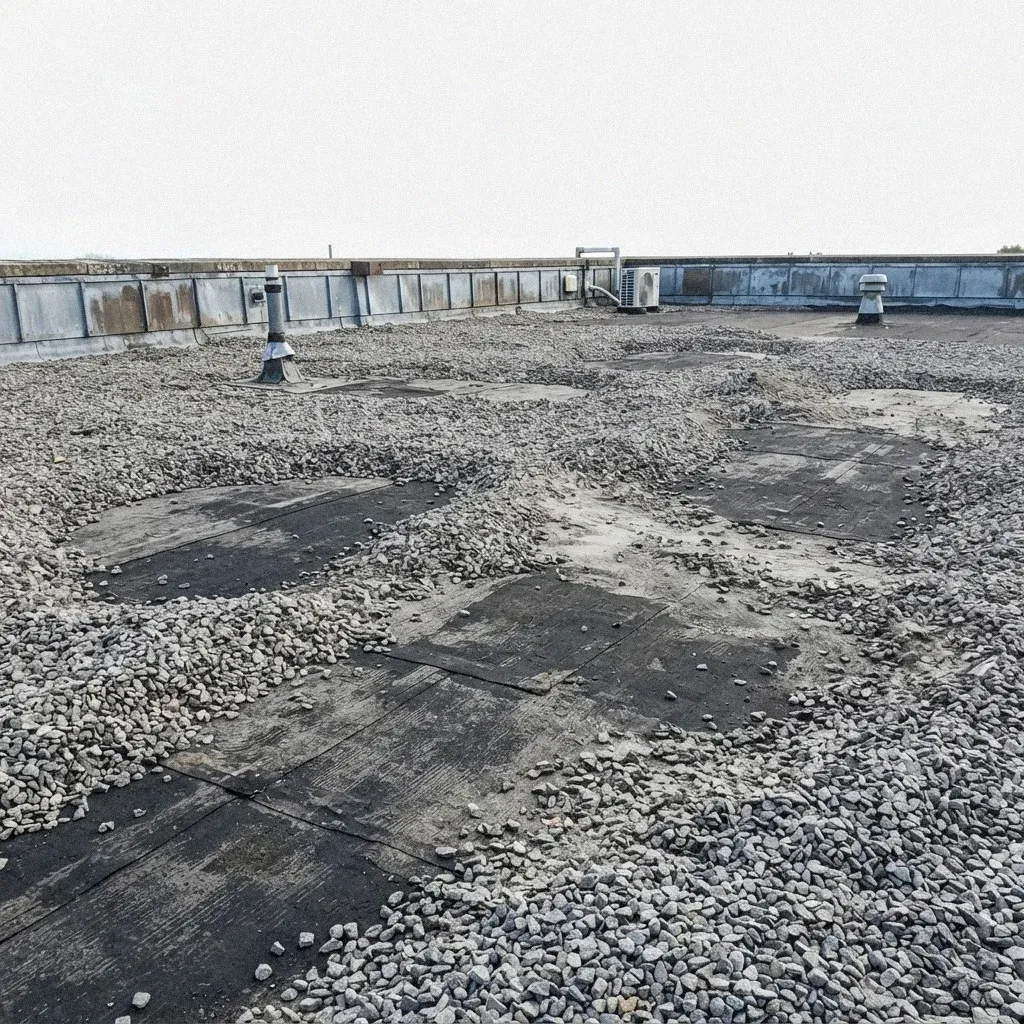
A roof inspection can compare exposed and sheltered areas, then check components where water may pass through or around the covering. Shingles, valleys, vent boots, flashing, and seams each leave different signs when damaged or loosened, and the relevant materials vary by roof. Trenton owners can ask the pros we connect you with to explain which visible clue supports a suspected entry point. The aim is to connect the storm pattern to evidence on the roof, rather than assume every wind-timed stain has the same cause.
A wind-driven roof leak means rain has reached an opening from an unusual direction. In Trenton, gusts may push water toward vent boots, valleys, or roof seams instead of letting it drain normally. Flashing at joints and penetrations is meant to guide water away; a gap or damaged area can let it pass beneath the covering. The storm’s wind direction helps explain why the leak appears only in certain weather, but a roofer must assess the roof to locate the entry point.
Roof Leak Repair Evidence to Record
From the ground, a homeowner can note roof sections that look uneven, missing material, or debris near a vent or valley, without going onto the roof. In Trenton, observations around County Route 543 or near the Old Barracks Museum can help describe where a property sits, but they do not identify its roof condition. Wind may leave visible damage even when no indoor stain has appeared yet. A roof inspection can compare those exterior signs with the suspected path of water.
Keep a simple event record: note the wind direction, when the leak began, where water appeared, and whether the exterior showed a moved shingle, debris, or a wet trail visible from the ground. A homeowner should stay off roof surfaces slick from rain or too steep to walk; a roofer has equipment and fall protection for roof access. For location context, identify a nearby reference such as Cadwalader Park, Assunpink Creek, or Old Barracks Museum only if it helps pinpoint the property. Photos indoors and from safe ground can preserve what was visible.
Roof Leak Repair During Active Drips
Photographs can preserve what the storm left behind before conditions change. A homeowner in Trenton, including one near the New Jersey State House, can keep images of ceiling marks and visible roof damage together with the date and storm details. That record can help an insurer or property manager compare the reported water with the roofer’s findings. If a mark grows or new damage becomes visible after another gusty storm, a fresh image shows how the evidence changed over time.
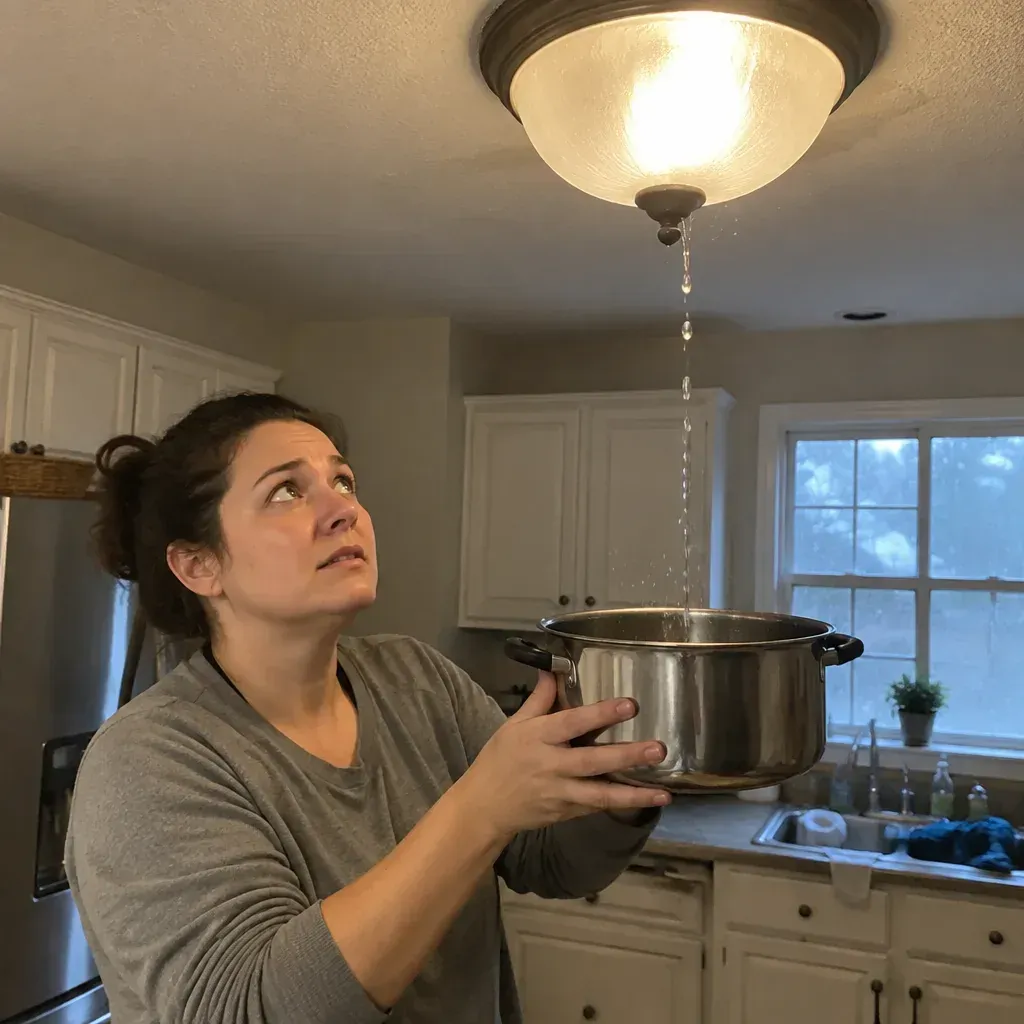
During an active drip, place a container below it and move items out of the wet area; keep clear of any ceiling that appears unstable. These indoor steps limit damage while an inspection is arranged, but they do not identify or close the roof opening. In Trenton, tell the pros we connect you with when the leak started, the wind direction, and what appeared indoors. Ask what roof evidence supports the diagnosis and which affected component the proposed work would address.
Dealing with a roof leak at your home?
Stay off a wet or steep roof; give the pros we connect you with the details from indoors. In Trenton, call (609) 934-1587 and share the street address, whether water is still coming in, and where the mark appeared. A ceiling stain can be some distance from the roof opening, so the inspection needs to trace the path rather than assume the spot above it is at fault. Whether the home is near Veterans Park or Martins Lake, ask if the address is covered, when a visit may be available, and whether there is a charge.