Availability varies — call to confirm. · (609) 934-1587
Ice Dam Roof Leak Repair in Trenton, NJ
Ice Backup at Eaves

Trenton Roof Leak Repair After Ice Dam Intrusion

Trenton’s winter weather can bring snow and freezing conditions, followed by thaws that send meltwater toward cold roof edges. If ice obstructs drainage, water may back up beneath shingles. Note when indoor moisture appears and seek an inspection if it grows or returns.

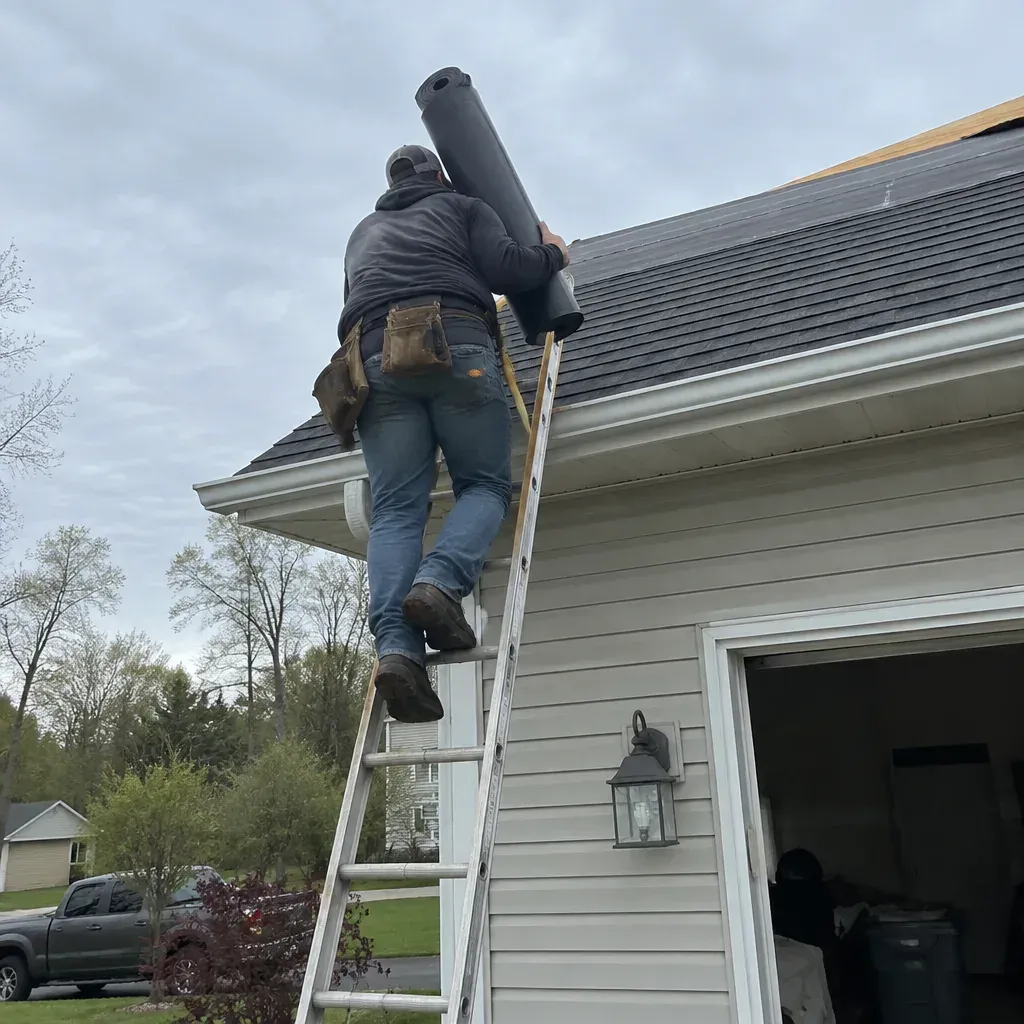
WORKSITE SAFETY

The repair scope depends on which roof layers show weakness and whether indoor dampness has appeared. The roofer replaces weakened layers, repairs open flashing joints, and restores affected shingles. Indoor photos and notes about thaw timing help focus the Trenton inspection.

WEATHER EXPOSURE

Flashing Details That Need Repair

Changes in attic wood or insulation can raise questions about water entering above.

After a thaw near Route 1, ceiling paint forms fresh brown rings

Ice dams can form when melting snow refreezes near the colder roof edge. Its presence alone does not confirm an indoor leak. Photograph it from a safe location and note any new indoor dampness; a roofer can assess the edge after conditions allow safe access.

A room near the Delaware River smells musty after roof ice melts

A ceiling mark that grows during a thaw may fit water entering near an icy eave, though stains have other possible sources. Note its size and timing, then arrange an inspection if it changes or returns. A roofer can compare the affected room with attic and roof-edge evidence before recommending work.

Along the Assunpink Creek, eave shingles feel loose after a freeze

Damp insulation or darkened wood near the outer attic edge suggests moisture has reached concealed areas. Wet material can stay hidden after the visible ice has melted, so the condition may be more extensive than the room mark suggests. Record what is accessible without disturbing insulation, then ask a roofer to inspect the eave and underlying layers.

Attic insulation beneath the roof edge feels wet to the touch

A shingle that sits crooked or has a raised corner may have lost its seal or been shifted while water collected above the eave. That opening can give meltwater a route beneath the roof surface. A ground-level photo can help document the change; a roofer should assess whether the shingle and material below it need replacement.

A metal edge strip bows outward below a ridge of ice

Metal along the roof edge that looks bowed or pulled away may leave a seam exposed, even if nearby shingles appear intact. Water can enter at that joint and affect the layers below. Note the location from the ground and include it in the inspection request; the roofer can determine whether the metal or adjacent roofing needs repair.

Roof Areas That Need Repair

Trenton climate records include precipitation and seasonal conditions relevant to roof leaks. Snow followed by a thaw can make drainage at an eave worth checking, but citywide weather does not establish what happened on an individual roof.

Older housing is documented in Trenton’s 08609 area, while roof age and construction vary by property. Near Assunpink Creek or along U.S. Route 206, a house still needs an individual inspection before anyone can link a leak to ice backup.

Calls may begin at homes in Trenton and at residential addresses across Mercer. The pros we connect you with can use the property’s location to establish whether they serve that part of the county and discuss what to do next.

Roof Components That May Admit Water

Thaw Signs
Ice at a cold eave can interrupt drainage and leave meltwater against the lower shingle edges.
Attic Clues
The path water takes above the ceiling may not line up with the indoor mark.
Edge Materials
Damp insulation or marked attic wood can show that moisture reached concealed areas near the eaves.
Hidden Layers
A bowed metal edge can expose a seam even when the adjacent shingle surface looks undisturbed.
Repair Factors
The condition of underlayment and decking helps determine whether repair can remain at the roof surface.
PERMIT LIMITS
Trenton’s winter weather can bring snow and freezing conditions, followed by thaws that send meltwater toward cold roof edges. If ice obstructs drainage, water may back up beneath shingles. Note when indoor moisture appears and seek an inspection if it grows or returns.
SPECIALTY PARTS
an estimated $90–$275

Containing Indoor Water During Roof Repairs

Roof condensation can dampen attic wood or insulation, making it resemble water from an ice-blocked eave. The moisture pattern and condition of the roof edge help a roofer tell the two apart. Attic condensation often leaves moisture across several cold surfaces, while an eave leak may concentrate dampness near one roof edge. A roofer compares the moisture pattern with shingle and flashing conditions to assess which explanation fits the evidence.

What Roof Leak Repair Can Address

Tracing a damp area upward can help relate an indoor mark to the roof section above it. With suitable access and fall protection, the roofer checks shingle alignment and edge flashing to identify which roof components may have let backed-up meltwater through.

After locating the affected edge, the roofer removes compromised shingles and checks the underlayment and decking. Damaged layers are replaced, and open or distorted edge flashing is repaired or renewed. The roofer then installs shingles that fit the existing roof and reviews the completed area with the homeowner.

Consider ongoing service only when the inspection gives a reason for it, such as several roof areas needing attention or a source that cannot yet be traced. If the evidence points to one repairable fault and the surrounding roof is sound, a return plan may add little.

ROOF CLUES THAT SUPPORT A FIX OR RECHECK
Roof Assessment Scope Set by Inspection
One leak, its entry point confirmedWeather exposure
Indoor drip returns after prior roof workValley condition review
Moisture reports point to separate areasWater barriers restored; lifted tabs seated

Tracing a Roof Leak from Indoor Evidence

From the ground, note whether the gutter looks pulled away from the roofline; that visible gap can help explain water concerns near the edge. Stay at the hatch, use a light, and avoid touching wet materials. Then ask the pros we connect you with to assess the roof edge.

Electrical Hazards Around Roof Leaks

Water can travel along roof layers before appearing as an indoor stain. Keep people away from the wet area and do not touch the fixture; contact an electrician if water may have reached electrical parts. A sagging ceiling can also give way as moisture accumulates. Have the roof edge assessed promptly, and leave the area below a bulge clear.

Why Can Leak Location Change Repair Cost?

Request a written scope from the pros we connect you with; the roof areas needing attention and access required help shape the proposed repair estimate.In Trenton, the estimate band concerns work on the roof area inspection links to the leak; unrelated upkeep and damage outside that repair fall beyond it. A ceiling mark near Sayen Gardens or Veterans Park can sit apart from the entry point, so tracing the water may change which work belongs in scope. Ask the pros we connect you with to state the inspection charge and written repair limits directly.The Shingle Leak Repair describes the path from roof review to repair planning; pricing guide explains which job details affect expense.
ROOF ENTRY POINTS

Membrane Repairs on Low-Slope Roofs

Ridge Vent Leak Repair

Ridge vent leaks. A ridge vent leak can damp roof decking before it leaves an obvious…

Roof Nail Pop Repair

Raised Nail Clues. A roofer compares the raised or exposed nail with attic moisture and…

ROOF LEAK HELP

What Owners Ask About Leaks

Could a ceiling mark during a thaw point to an ice dam?

In Trenton, record when a ceiling mark first appears and whether it darkens during a thaw; that timing can make roof-edge backup worth checking. A roofer can inspect the eave from safe access and compare it with attic conditions. If water has reached shingles or the layers below, the repair may include replacing affected material and closing an exposed edge joint.

Which roof layers can backed-up meltwater damage?

A roofer checks whether backed-up meltwater has loosened shingle edges, soaked the underlayment, or reached the roof decking. From the attic, damp insulation and water marks on wood can help show how far moisture spread. The roofer then removes compromised material, replaces damaged layers, and restores the shingle surface so the repaired section can shed water.

What should I document before a Trenton roof inspection?

A homeowner can photograph indoor marks from the floor and note the date and weather. The roofer examines the eave for displaced shingles, open seams, and bent or separated edge flashing, then checks accessible attic areas for damp wood or insulation. Around Mill Hill Park or elsewhere in Trenton, those observations help focus an inspection without establishing a cause by themselves.

How soon should I arrange an inspection after ice-dam water reaches an eave?

Arrange an inspection promptly, as soon as the roof edge can be assessed safely; don’t wait for an indoor stain to grow. Ask whether the leak starts at the edge or beneath the roof covering. Ice-dam backup may affect shingles, underlayment, or flashing, and moisture can spread beneath the roof covering. Ask the roofer to assess the edge and underlying layers.

Request Next Steps

Ready to address the leak?

When speaking with the pros we connect you with, note whether water appears steadily or only at times, and mention any rooms affected. Get the visit fee confirmed before picking a time. Once the inspection is complete, ask for its findings and suggested work in a written summary.

Call (609) 934-1587
Confirm availability, inspection charges, and written scope
Call (609) 934-1587 Schedule Online