Warehouse Roof Leak Repair
Trenton · Isaac Watson House
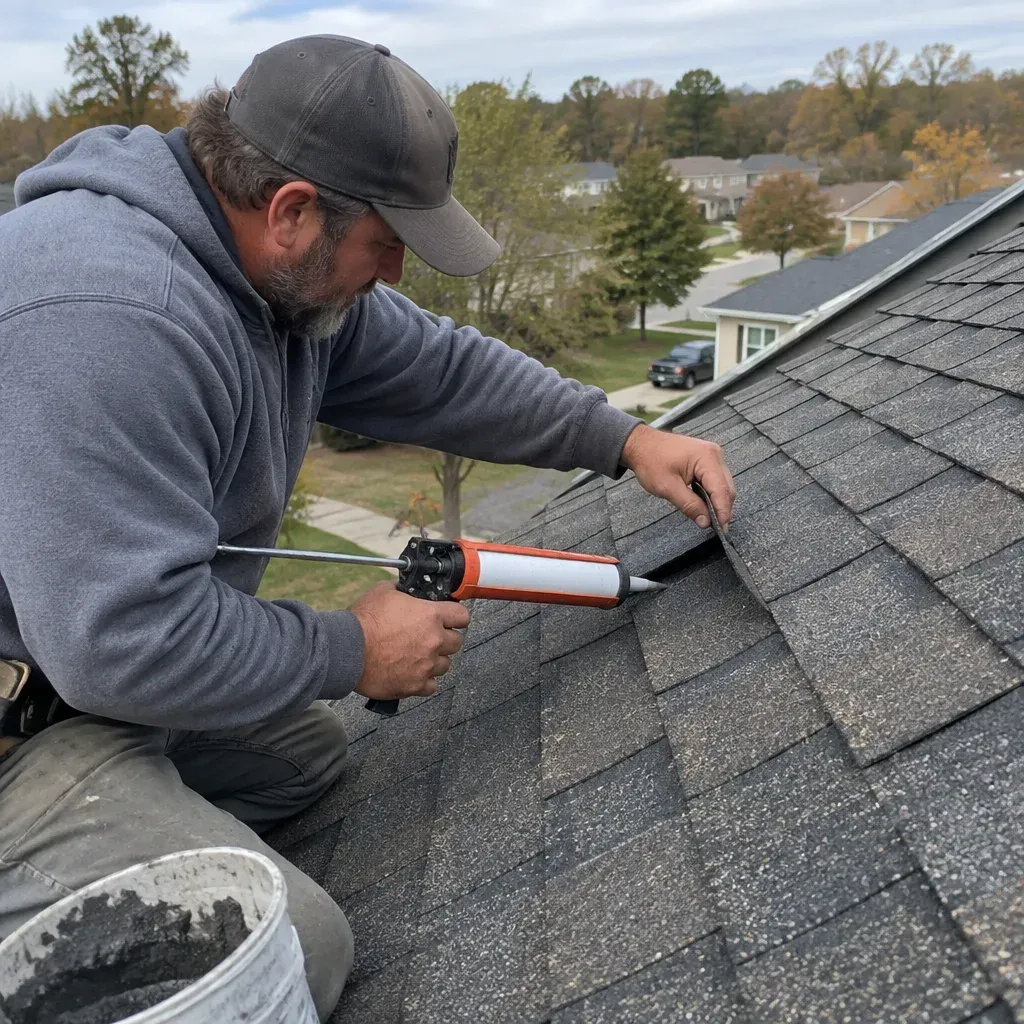
Plan roof access, care-area protection, repair timing, and documentation with the Trenton facilities contact.
A roofer compares the reported care area with roof evidence, identifies the affected section, and scopes a repair. The facilities contact sets access boundaries, protects occupied spaces, and approves a work window and documentation plan.
At a Trenton healthcare facility, a roof leak repair starts with two linked questions: where did water enter, and how can the roofer reach that roof area without disrupting care? The visible problem may be in a treatment room while the relevant roof zone sits above a restricted corridor or another department. The facilities contact can help connect those locations and set boundaries for access. That coordination gives the pros we connect you with a workable route to investigate the hospital roof leak and plan a repair around active operations.
Before scheduling, the facilities contact should note the affected department, whether the room is occupied, and what access conditions apply. Include check-in details, escort needs, screening rules, restricted areas, and hours when roof or interior access is unsuitable. A clinic roof leak near a patient route may require a different entry plan from a report in a closed service area. Clear instructions help the pros we connect you with arrive prepared and reduce avoidable interruptions at the Trenton facility.
A ceiling mark tells staff where water became visible, but it may not identify the roof opening. Water can move along roof materials or framing before reaching an occupied room, so the roofer needs to relate the report to the building layout and inspect the associated area. In Trenton, a map or facility roof-zone label can help the facilities contact and roofer discuss the same location. The distinction matters because repairing only above the stain may leave the entry path untouched.
Set the entry plan before the pros we connect you with go through clinical areas. The facilities contact can specify where to check in, who will escort the roofer, and which rooms or corridors require prior clearance. At a Trenton site, work routes may need to stay clear of patient movement and department routines. Agreeing on those limits in advance gives the roofer a safe path to the roof and helps staff know when access is needed, without turning the inspection into an unplanned interruption.
From the approved roof access point, the roofer can examine the zone associated with the facility report. The inspection may include roof covering, flashing at joints or penetrations, valleys, vent boots, or seams on a low-slope system. Each component sheds water differently, so the observed material and condition guide the next step. For a Trenton medical facility roof repair, the roofer should connect the visible roof finding to the reported interior area and record uncertainty where the path is not clear.
| Care zone | Roof clues | Access plan |
|---|---|---|
| Care zone | Mark occupied clinical areas with the facilities contact | Unit identifier, floor, restricted access |
| Roof route | Agree on ladder placement and an escorted path | Entry point, escort, staging clearance |
| Leak trace | Match indoor reports to the suspected roof section | Room reference, roof zone, photo ID |
| Interior boundary | Set limits below overhead repair activity | Barrier line, alternate route, staff notice |
| Repair window | Choose timing with the facilities contact | Start window, quiet interval, point person |
| Repair scope | Tie work to the roof component found damaged | Roof section, component, method, materials |
| Site reference | Index the location with verified place labels | Industrial work can involve production, storage, maintenance, and other tasks across a business’s operations. |
| Work record | Give facilities staff a traceable repair summary | Findings, completed work, photos, follow-up |
A repair plan should identify the roof zone and the component the work will address, then explain why that scope fits the observed condition. A split seam, displaced covering, or failed flashing calls for a repair suited to that material and location. If the inspection does not support a focused fix, the roofer can describe what further review is needed. This gives the Trenton facilities contact a concrete basis to coordinate the work and understand what the proposed medical facility roof repair is intended to resolve.
After the likely repair area is known, the facilities contact and roofer can select a work window that fits department operations. Consider roof access, equipment staging, noise, and any interior route the roofer needs to use. A schedule that conflicts with patient transfers or a busy corridor can create disruption even when the roof work is brief. For a Trenton site, agreeing on start and finish expectations helps departments plan around the repair and gives the roofer a clear time to enter and leave.
Before repair begins, identify what sits below the work zone and who needs notice. Staff may need to move equipment, keep a treatment space available, or protect a route while the roofer works overhead. The facilities contact can also specify any room-use restrictions that apply during the visit. At a Trenton healthcare building, these details connect roof work to care operations: without them, a technically sound repair can still interfere with the people and equipment the building must keep accessible.
Request a written record that links the reported care area to the roof zone examined. It should describe observed conditions, the component involved, the work proposed or completed, and any limits on what the roofer could access. Photos of roof findings and the indoor mark can support that account when they can be taken safely and without disturbing care. For a Trenton facilities team, a clear record helps another staff member understand what was addressed and what still needs follow-up.
Use the facility’s own department names, room labels, and roof-zone references in scheduling notes and repair records. A location such as the Mill Hill Park side of a building may be less useful than the site’s internal map label, so pair any exterior reference with the facility’s identifier. In Trenton, consistent labels help staff compare the original report with the roofer’s findings, even when different departments handle access, maintenance, and later review.
The leak inspection cost can depend on how much roof area must be reviewed, the roof access arrangements, and the time needed to coordinate with facility contacts. A restricted route or several approval steps may add planning effort; a clearly identified roof zone can make the visit more straightforward. The facilities contact can ask the pros we connect you with what the inspection includes and whether the proposed repair is separate. That makes the Trenton scope easier to evaluate before work is scheduled.
Rain, snow, or a freeze can coincide with a report, but timing alone cannot establish why water entered. Trenton climate records include precipitation information, yet the condition of a particular healthcare roof still requires inspection. A facilities contact can note when staff first observed water and whether it recurred, then share those details with the roofer. This timeline can guide the review without treating weather as proof of a failed component or assigning a cause before the roof is examined.
Before approving work, ask which local construction requirements apply to the facility and the specific repair scope. A clear work description helps the facility distinguish a surface repair from changes to the roof structure. Trenton’s Division of Technical Services enforces the state construction code for construction, alteration, repair, or demolition. The facilities contact should confirm requirements for the proposed work before the roofer begins.
To arrange a useful visit, give the facilities contact the affected care area, entry and escort instructions, schedule limits, and any immediate interior concern. Ask the roofer to identify the roof zone to be reviewed, the access point needed, and what record will follow the visit. A map reference near the Assunpink Creek or Trenton Transit Center may orient staff if it matches the facility’s own location notes. Clear details let the pros we connect you with plan around care activity from arrival through repair.
Keep patients and staff out of any area where ceiling material is wet or loose, and leave roof access to a roofer with suitable fall protection. In Trenton, the facilities contact can first identify the affected care area, any sensitive equipment nearby, and the approved route to the roof. The roofer can compare those details with roof sections and visible damage, then propose a repair that fits the roof system. A planned work window and clear handoff reduce the chance that tools, noise, or an open ceiling interfere with care.
The place names that follow indicate possible reach across Mercer, while scheduling depends on the address; ask the service contact to check your home, includingEwing Township, Hamilton Square and Robbinsville. If the property may be beyond the usual route, request an address check and learn what costs attach to an on-site assessment.
For an office complex, pricing can be set by appointment or tied to roof size and a recurring review schedule. $90–$350 gives a budget reference. The number of roof zones, safe access arrangements, and coordination around tenants can affect the proposal.For a commercial building in Trenton, roof dimensions and layout can add sections, seams, edges, and penetrations to the materials list, changing the estimate. When calling, describe the building footprint, roof access, known covering, and where water appears; Veterans Park and Memorial Park can serve as location references.The full repair-cost breakdown is in pricing guide, while commercial overview explains the structure of a scheduled commercial inspection program.
Trenton · Isaac Watson House
Office Roof Repair
Route 1 Retail Roof Repair
The facilities contact should mark the care space and equipment that must remain accessible, then agree with the roofer on a roof entry point, escort, and work boundary. The roofer can inspect from the approved route and keep materials staged away from patient traffic. If the inspection points to work above an occupied room, the contact can arrange an appropriate window before repairs begin. In Trenton, record the access plan with the affected area so staff know who to reach if conditions change.
Give the roofer the building and care area involved, what staff observed, and when it was noticed. Include the facility’s roof plan or section labels if available, approved entry and escort procedures, equipment or rooms that need protection, and the person who can authorize access. In Trenton, a site may include U.S. Route 206 or Route 1 in arrival directions when either is part of its approved approach. Keep immediate interior concerns with the report for the facilities contact.
Yes. The facilities contact can identify periods when roof activity or noise would place less pressure on care operations, and name who can confirm the window. The roofer can use that schedule to plan inspection and repair access, while leaving time for check-in and a closeout handoff. If the work scope changes after the roof is examined, the contact can decide whether to approve the adjustment or set another window. For a Trenton facility coordinating with Ewing Township, keep the site schedule tied to the specific building.
Ask for a closeout note that identifies the roof section, the defect addressed, and the repair performed. Photos can show the damaged detail and completed work, while an interior location reference helps staff connect the record to the original report. The note should also identify any section that was inaccessible or any follow-up the roofer recommends. Keep the scope, images, and completion record with the facility’s maintenance documentation so later staff can understand what was checked and changed.
Record the affected care area, roof access rules, and interior concerns for the facilities contact before requesting a repair plan.
Call (609) 934-1587