Retail Roof Leak Repair
Route 1 Retail Roof Repair
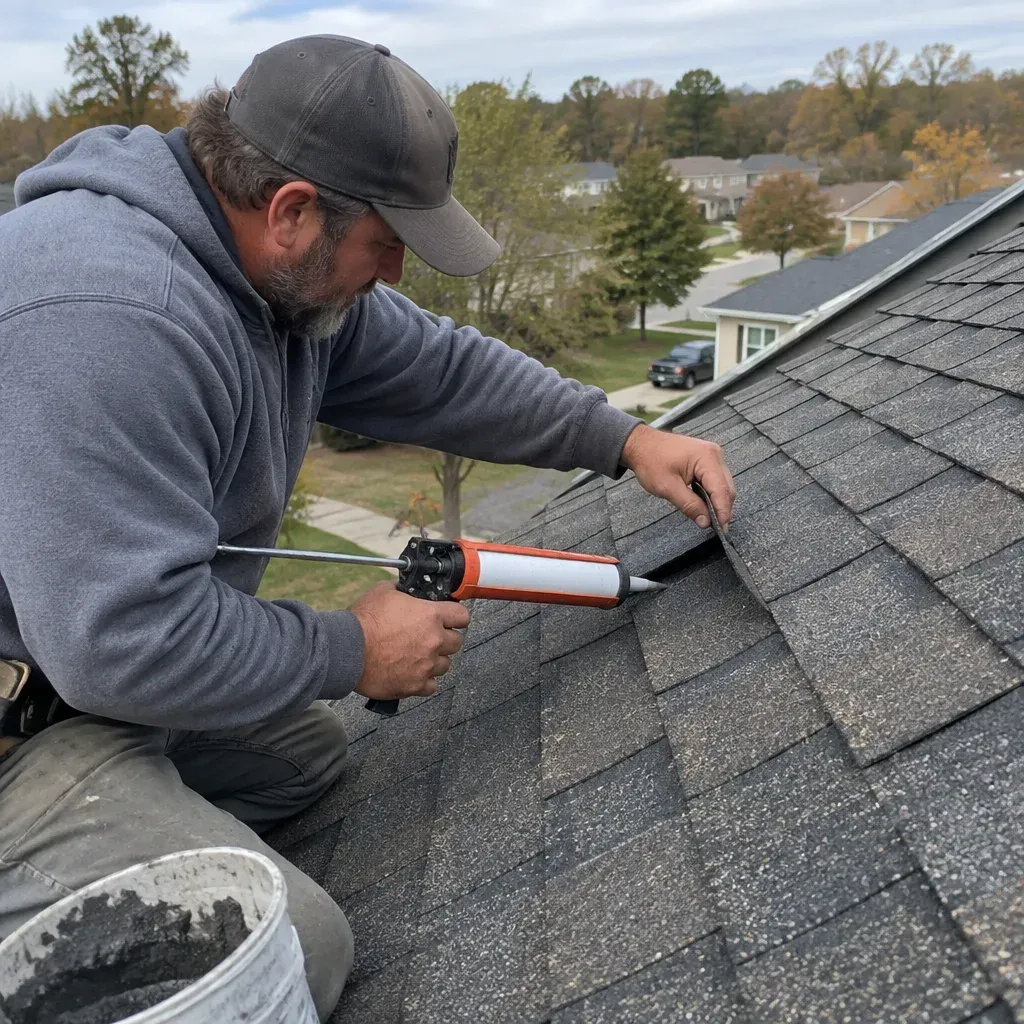
Warehouse roof leak repair in Trenton, with facility records organized by roof zone and operating area near U.S. Route 206.
A roofer can compare reported leak locations with a warehouse roof plan, inspect the surrounding roof field and penetrations, then repair the components supported by the findings. Record affected bays and nearby roof equipment so the repair scope and photos identify the right work area.
Keep staff off the roof; a wet surface or an unfamiliar access point can make a leak search dangerous. From inside, facilities staff can record where water is showing and what work or stored goods sit below. In Trenton, that evidence gives the pros we connect you with a useful starting point without treating a ceiling mark as the roof entry location. The page’s approach is to weigh operational exposure, inspect the relevant roof area, then tie any repair to documented findings.
A warehouse roof leak over ordinary storage may call for a different response than water above electrical equipment, active packing, or goods that cannot be moved easily. Note what is in the affected zone and whether work there can be rescheduled; that context helps the roofer plan access and discuss a repair window with fewer interruptions. For a Trenton distribution center roof leak, the location’s effect on receiving or dispatch can matter as much as the visible size of the wet area.
Give each reported area a clear reference that works from the warehouse floor to the roof plan. Aisle labels, column marks, or a nearby fixed feature can help staff and the roofer describe the same spot, while rooftop units and other openings provide useful orientation. A simple sketch of the relevant section can prevent a broad roof from becoming a vague search area. In Trenton, note whether the building lies near Route 1 only as a location reference, not as evidence of roof condition.
A large roof needs an inspection plan that accounts for the surrounding field, not just the point above an interior mark. The roofer can relate reported areas to roof sections, drainage routes, seams, and penetrations, then record which portions were accessible and reviewed. This makes the findings easier to assess when water has moved before becoming visible. For a Trenton facility near the Delaware River, seasonal rain or snow may be relevant context, but only site evidence can establish a cause.
On a warehouse roof, the covering and its joints each affect how a repair should be chosen. The roofer may examine seams on a low-slope system, or check flashing around walls and roof openings; flashing closes those junctions so gaps there do not leave a path for water. The repair plan should identify the material and component involved instead of naming a generic patch. Trenton weather records include precipitation and climate information, but they do not establish what failed at a particular building.
| Storage area | Work impact | Roof evidence |
|---|---|---|
| Site access | Trenton address, Route 1 entrance, Hamilton Township contact | Separate roof access from delivery routing |
| Stock exposure | Product type and rack position beneath leak | Identify inventory needing relocation planning |
| Work disruption | Active aisle, line, or loading bay | Plan repair access around site activity |
| Roof zone | Grid reference, seam, or penetration | Direct inspection across expansive roof areas |
| Roof covering | Observed membrane, panel, or shingle section | Match proposed work to the material |
| Water evidence | Drip point, stain, or wet packaging | Compare indoor signs with roof findings |
| Repair scope | Components proposed for patching or replacement | Set work boundaries before scheduling |
| Work record | Photos, inspection notes, and repair details | Give stakeholders a clear basis for work |
Repair scope should follow the observed condition and the roof system. A seam problem on a flat roof may call for different materials and preparation than damaged flashing or a displaced piece of covering. The roofer should explain whether the work is limited to a defined section or whether findings warrant a wider evaluation, with the reason stated plainly. For industrial roof repair in Trenton, a specific cause or roof condition should not be assumed before the site has been examined.
Roof access and work timing both affect warehouse operations. The facility contact can identify loading periods, active production, restricted areas, and safe routes for moving materials; the roofer can then describe access needs and any planned limits below the work. Wet or steep surfaces require suitable equipment and fall protection, so staff should not climb up to point out a suspected defect. Around Assunpink Creek or elsewhere in Trenton, the same site-specific access planning applies.
Mark the floor area that could be affected by overhead work, including nearby stock, forklifts, and active aisles. Once the roofer defines the work zone, facility staff can coordinate temporary barriers or a shift in activity where needed, reducing conflicts between repair tasks and normal movement. This is separate from deciding how to handle water already entering the building. In Trenton, share the facility’s operating constraints before a repair date is arranged so the proposed work can account for them.
Good records connect what staff observed indoors with what the roofer saw overhead. Keep dated photos of the interior marks and relevant roof components, along with the building area and aisle reference; add notes about when the condition was noticed and what activity was affected. These details can help a property manager, maintenance team, or insurer review the event, without asserting coverage or a cause. A Trenton file is more useful when its labels match the site plan and inspection notes.
Ask the roofer to put the proposed work in writing with the roof section, material, and condition it addresses. The description should make clear what will be repaired and what observations support that choice; if an item remains uncertain, the record can say so. After work, request a brief account of the completed repair and any relevant photos for facility files. For a warehouse in Trenton, consistent records can help staff track whether later reports concern the same area or a separate condition.
The cost of a leak inspection can vary with the roof’s area, the difficulty of reaching it, how many locations need review, and the records requested. A broad roof or restricted access may require more inspection time than an easy-to-reach section, while detailed photo and written documentation can add work. Ask what the quoted inspection covers and how findings will be delivered. In Trenton, neither climate records nor the building’s location can substitute for assessing the actual roof and access conditions.
Repair pricing depends on the roof material, the component involved, access, and the work supported by the findings. Ask whether the proposal includes preparation, repair materials, and a written description of the finished scope, then compare proposals by what each addresses. The licensed pros we connect you with can look for moisture stains or lifted edges that point to damage beyond the visible opening. Trenton requirements should be checked for the specific project.
Before contacting a roofer, note the building location, affected interior zones, nearby goods or work, roof access limits, and any equipment above those spots. A roof plan or marked-up sketch can help the pros we connect you with understand the site, while existing photos give staff a record to discuss. If the facility is identified by a nearby landmark such as Mill Hill Park, use that only to clarify location; the roof evidence must still come from the building itself.
When you speak with a roofer, ask how the proposed review will connect interior reports to the relevant roof sections, what documentation you will receive, and how the repair scope follows from the findings. Explain which stored goods or operations make certain areas more consequential, then ask how roof access and work-zone coordination will be handled. For a Trenton warehouse, this conversation turns a leak report into a practical plan for inspection and repair, without promising a cause, outcome, or schedule before the site is assessed.
Keep staff off a wet roof; a warehouse roof can hide weak or slippery areas, and inspection belongs to a roofer using suitable access and fall protection. In Trenton, start the work record with the facility address and a roof grid, then mark each leak by the storage bay or operation below it. Broad references such as the Delaware River or Assunpink Creek cannot identify a roof zone. The roofer can inspect the larger roof field and its penetrations, match findings to the reported locations, and document the repair scope before work affects access or operations.
Use the linked communities to narrow the search, then check whether a roof leak inspection can be arranged for the specific home before planning next steps, includingHamilton Square, Trenton and Hamilton Township. Before a visit is booked, have the provider spell out any travel or assessment charge and say whether your address falls within its reach.
For an office complex, pricing can be set by appointment or tied to roof size and a recurring review schedule. $90–$350 gives a budget reference. The number of roof zones, safe access arrangements, and coordination around tenants can affect the proposal.For a commercial building in Trenton, roof dimensions and layout can add sections, seams, edges, and penetrations to the materials list, changing the estimate. When calling, describe the building footprint, roof access, known covering, and where water appears; Veterans Park and Memorial Park can serve as location references.The full repair-cost breakdown is in pricing guide, while commercial overview explains the structure of a scheduled commercial inspection program.
Route 1 Retail Roof Repair
Occupied Building Repair
Office Roof Repair
Rank locations by what sits below them and how a leak could affect receiving, stored goods, or active work. Note the aisle or bay, the roof zone above it, and any equipment near that zone. In Trenton, a clear facility address and marked roof plan help the roofer distinguish one report from another. This gives the inspection a practical order without assuming the leak source or the condition of any roof component.
Often, if facility staff and the roofer agree on access, work areas, and operating constraints beforehand. Identify busy periods, routes that must remain open, and any equipment or inventory that limits access below the repair area. The roofer can then describe the expected work zone and coordinate when it can be entered. A written scope helps operations staff understand which areas may be affected while the repair is underway.
A later drip in the same area does not by itself show whether the earlier repair failed; water can follow a different path before appearing indoors. Record when and where it returned, and compare that location with the previous repair record. If the mark is in a new bay or roof zone, note that distinction too. Those details help the roofer decide what area and components need another look.
A useful record names the facility and roof zone, describes the observed condition and completed work, and includes photos tied to those locations. Add the date and note any access limits that shaped the repair. For a Trenton property, keep the address with the file so staff can retrieve the right record later. This context helps operations teams understand what the roofer addressed if water is reported again.
Mark affected bays, work areas, and roof equipment on the facility plan, then contact the pros we connect you with to discuss inspection records and repair scope.
Call (609) 934-1587