Office Building Roof Leak Repair
Office Roof Repair
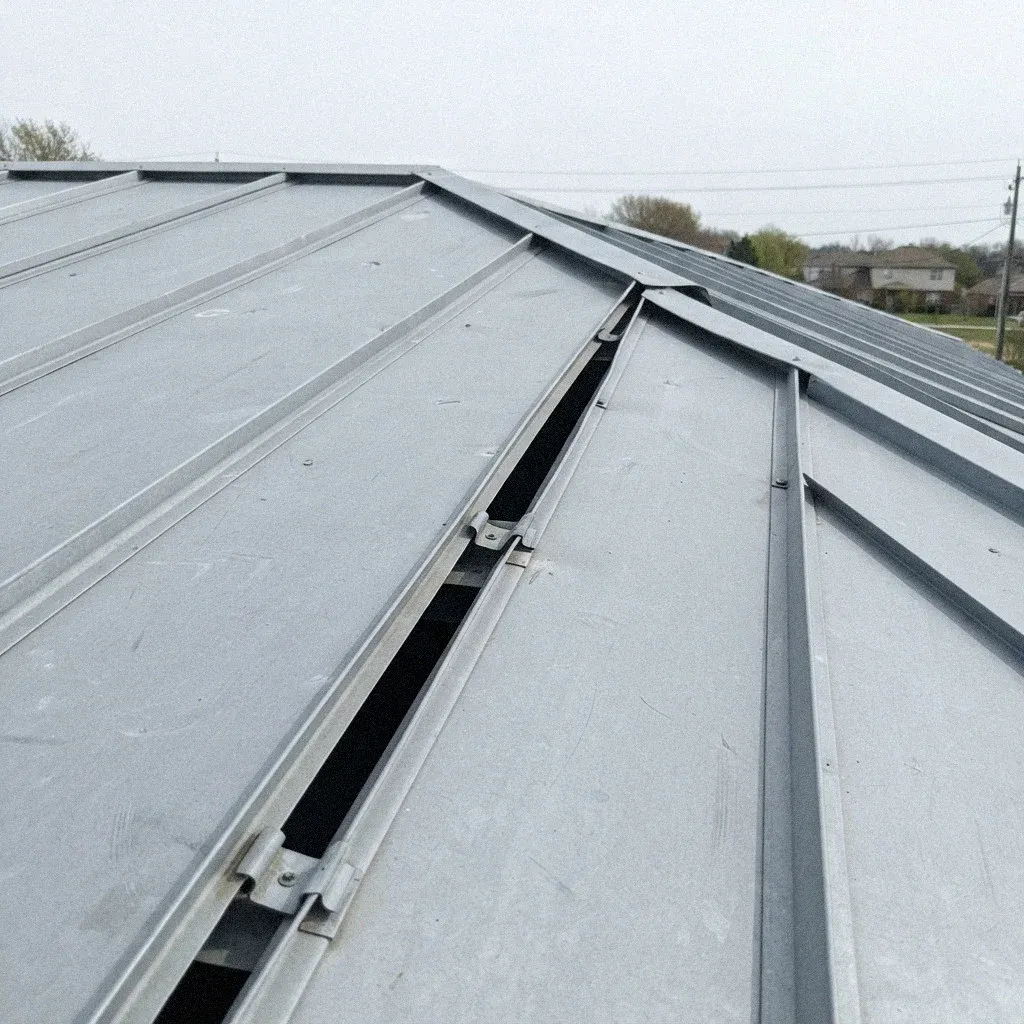
Coordinate access, define the repair area, and keep a clear record for an occupied Trenton apartment building.
A roofer can match unit reports to roof sections, arrange access with the property contact, and document the repair area. The inspection findings guide work on the affected components, while a written scope and completion record help manage the building.
In an occupied apartment building, a leak report is a starting point, not a roof location. Water may travel beneath the covering before it reaches a unit, so reports from different floors can relate to one roof area—or point to separate problems. In Trenton, a roofer can compare where residents see moisture with the building layout and roof sections, then document the areas that need attention. That gives the property contact a clearer basis for arranging access, understanding the proposed work, and keeping residents informed.
A useful report connects the affected unit to a specific interior landmark: for example, a bedroom wall, hallway light, or bathroom ceiling. Add when the resident first noticed the mark and whether it appeared after rain, snow, or a freeze. In Trenton, this detail helps the roofer compare reports across floors without assuming that stains stacked vertically share one source. A property contact can gather the accounts in one place, so the visit can focus on the right building areas.
For a multifamily roof repair, unit numbers alone can conceal how far a roof extends over corridors, stairwells, and shared rooms. A simple floor plan marked with affected rooms lets the roofer relate indoor reports to the building’s roof sections. In Trenton, a property near the Old Barracks Museum may have a different layout from another building; the address itself does not establish the roof design. Marking locations gives the visit a practical starting point while leaving the cause to be determined on site.
Roof and interior access need to be arranged with residents in mind. Before the visit, the property representative can identify who may open locked areas, which units require notice, and any building rules for shared spaces. In Trenton, access may also depend on how the roofer can reach each roof section safely. Wet or steep surfaces call for suitable equipment and fall protection, so residents and staff should not climb up to investigate. Clear arrangements let the roofer work without disrupting more of the building than necessary.
A single building contact can coordinate the visit and keep information from being scattered among residents, maintenance staff, and ownership. That person can confirm access windows, explain where workers may enter, and relay any changes to residents. Around Hamilton Square, as elsewhere in Trenton, building routines differ, so the contact should share relevant quiet hours or busy shared areas before work is scheduled. A consistent point of contact also makes it easier to track which units were reached and which still need follow-up.
| Unit reports | Roof work | Access window |
|---|---|---|
| Leak reports | Unit number, room, and time first noticed | Show where reports overlap or differ |
| Roof sections | Building footprint and corresponding roof areas | Help connect distant interior reports to roof zones |
| Unit access | Resident availability, notice, and authorized entry | Arrange interior visits through the property contact |
| Resident movement | Entrances, elevators, and shared outdoor areas | Keep access routes usable during setup |
| Repair scope | Roof component and limits of proposed work | Match each task to documented conditions |
| Work order | Roof tasks, interior appointments, and cleanup | Sequence visits to reduce repeat disturbance |
| Repair record | Images, work completed, and open questions | Give management a usable closeout summary |
| Site reference | Trenton property address near Route 1 | Use a nearby cue such as Veterans Park |
When a roof covers broad or connected areas, findings should identify the section and the component involved, rather than simply saying that the roof was checked. A roofer may note a transition, penetration, valley, or seam alongside the related interior report. In Trenton, that distinction helps the property representative see whether reports from separate units align with one roof area. If they do not, the written record can keep the locations separate instead of implying a shared cause that the inspection has not established.
The proposed repair should explain what material or joint is affected and what work is intended there. Damaged shingles, roof flashing, vent boots, and flat-roof seams call for different approaches, so a broad phrase such as “patch the leak” gives the property little to review. In Trenton, ask the roofer to connect the proposed task to the observed condition and note any limits to the work. That lets the owner compare the scope with the findings before arranging the repair.
A written report becomes more useful when photographs have clear captions and locations. Images of a roof detail can be paired with the related ceiling or wall mark, while notes identify the building section and inspection date. In Trenton, these records help a property manager explain what was observed to ownership or an insurer without presenting an unverified cause as fact. Keep the proposed repair and completed work distinct in the record; that way, later questions can be answered from what the roofer actually documented.
Work on an occupied building can affect residents even when the repair area is limited. Before scheduling, ask which roof sections workers need to reach, when they expect to be present, and whether the work could affect a shared entrance or walkway. In Trenton, a property representative can use those details to give residents a clear notice and plan around building routines. Stating the expected work area helps prevent avoidable disruption and makes it easier to tell residents where access may change.
Equipment placement and worker routes should be agreed on before the repair begins. The property contact can identify delivery points, entrances that must stay accessible, and paths residents use for daily needs. Near Kuser Farm Park, a building’s grounds and entrances will differ from another property’s, so arrangements should reflect the actual site rather than a standard assumption. When the roofer and manager settle these details ahead of time, materials are less likely to obstruct shared areas or create confusion during the work.
A building may have more than one roof section, and each can involve different materials or details. The record should name the affected area and the specific component the roofer proposes to repair, so a later reader can tell what the work covered. In Trenton, that level of detail matters when ownership reviews a multifamily roof repair across separate wings or shared spaces. It also helps distinguish a targeted repair from a recommendation to evaluate additional areas, which should be explained on its own merits.
Before work is scheduled, the property representative should know who can approve the proposed scope and who will answer residents’ questions. If ownership, an association, or a management office shares those duties, settle the review path before confirming a date. Trenton’s older housing context does not establish the condition or status of any particular building, so decisions should follow the property’s records and the roofer’s documented findings. Clear responsibility keeps approval and resident communication from stalling once the repair plan is ready.
Permit requirements depend on the property and the work proposed, so the repair description should be clear enough for the owner to check with the local building office. New Jersey’s ordinary-maintenance provision for existing roof covering is limited to detached one- and two-family dwellings; it does not establish a blanket rule for apartment buildings. In Trenton, the property representative should ask whether the planned scope needs review, especially if it extends beyond a localized roof repair. Confirming this before scheduling can prevent delays.
Before contacting a local roofer, gather resident accounts with unit, room, and timing, along with a building layout and any prior repair notes. The property contact can also describe roof access rules, notice requirements, and documentation needed for ownership or an insurer. In Trenton, the pros we connect you with can use that information to discuss inspection access and what the resulting report should cover. The owner can then review documented findings and a defined scope before deciding how to proceed.
In Trenton, an apartment roof leak can affect units that share a broad roof, so repair planning starts with a clear record of where and when water appeared. A property contact can group reports by building area, then help the roofer arrange roof and interior access without interrupting every resident. Familiar references such as the Old Barracks Museum, Mill Hill Park, and Assunpink Creek can help distinguish locations in site notes. Once the affected roof section is identified, the roofer can define the repair scope, record the work, and coordinate its timing around building routines.
A countywide list cannot confirm an individual home's eligibility, so ask the pros we connect you with whether they can reach your address for roof leak work, includingTrenton, Hamilton Township and Ewing Township. If the property may be beyond the usual route, request an address check and learn what costs attach to an on-site assessment.
For an office complex, pricing can be set by appointment or tied to roof size and a recurring review schedule. $90–$350 gives a budget reference. The number of roof zones, safe access arrangements, and coordination around tenants can affect the proposal.For a commercial building in Trenton, roof dimensions and layout can add sections, seams, edges, and penetrations to the materials list, changing the estimate. When calling, describe the building footprint, roof access, known covering, and where water appears; Veterans Park and Memorial Park can serve as location references.The full repair-cost breakdown is in pricing guide, while commercial overview explains the structure of a scheduled commercial inspection program.
Office Roof Repair
Route 1 Retail Roof Repair
Trenton · Isaac Watson House
Name one property contact to meet the roofer, explain building entry procedures, and coordinate any unit visits with residents. Provide keys or arrange access to roof hatches and service areas in advance. In Trenton, a contact can also flag quiet periods, delivery activity, or routes that should stay open. The roofer can then confirm which access is needed before setting the repair schedule.
A site plan that identifies buildings, wings, and roof sections can help connect reports from separate units to a shared work area. The roofer can mark the portion under review, note which components the repair will address, and distinguish it from adjoining sections. For a multifamily roof repair in Trenton, that record gives the property manager a defined scope to use when coordinating residents and reviewing the completed work.
Ask the roofer which tasks may create noise, where equipment will be placed, and when residents need advance notice. A property contact can share building schedules and keep entrances or shared routes clear during the agreed work window. If weather changes the plan, residents need a clear way to receive an updated schedule. These steps help limit avoidable interruptions while roof work is underway.
Request a closeout summary that names the roof area and components addressed, along with dated photos of relevant conditions and completed work. The record can also state what fell outside the agreed scope and whether another visit is recommended. For a Trenton property, keeping those notes with unit reports helps the manager answer later questions about where the repair occurred and what the roofer did.
Collect unit reports and access details, then discuss the roof area, resident schedule, and repair record with the pros we connect you with.
Call (609) 934-1587